
- Your cart is empty Browse Shop
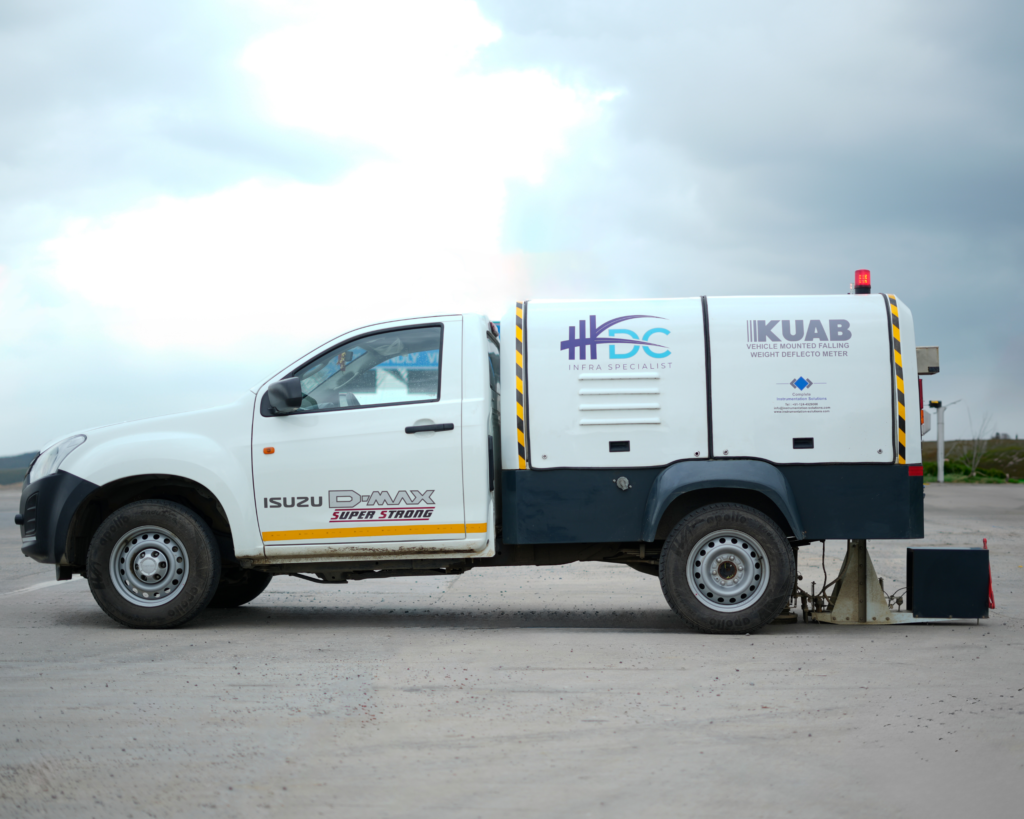
Falling Weight Deflectometer (FWD)
We are offering locally manufactured KUAB 70-150 SPGE Falling Weight Deflectometer, (FWD), a mobile system performing non-destructive dynamic loading with a falling weight as force generator. The peak load, the rise time and the shape of the impact load simulate traffic load. A flexible load distributing loading plate gives a uniform and reproducible stress distribution. Seismic deflection transducers accurately measure the shape of the deflection basin. In addition to the basic measurement of load and deflections, it captures air temperature and the pavement surface temperature. This model is designed to meet and exceed the requirements laid down in IRC 115-2014 & 117-2015 Guidelines for Structural Evaluation and Strengthening of Flexible Road Pavements using Falling Weight Deflectometer (FWD) technique. This system is available in 70 kN to 150 kN versions with 7 or 9 sensors, both in Trailer Mounted and Vehicle Mounted versions.
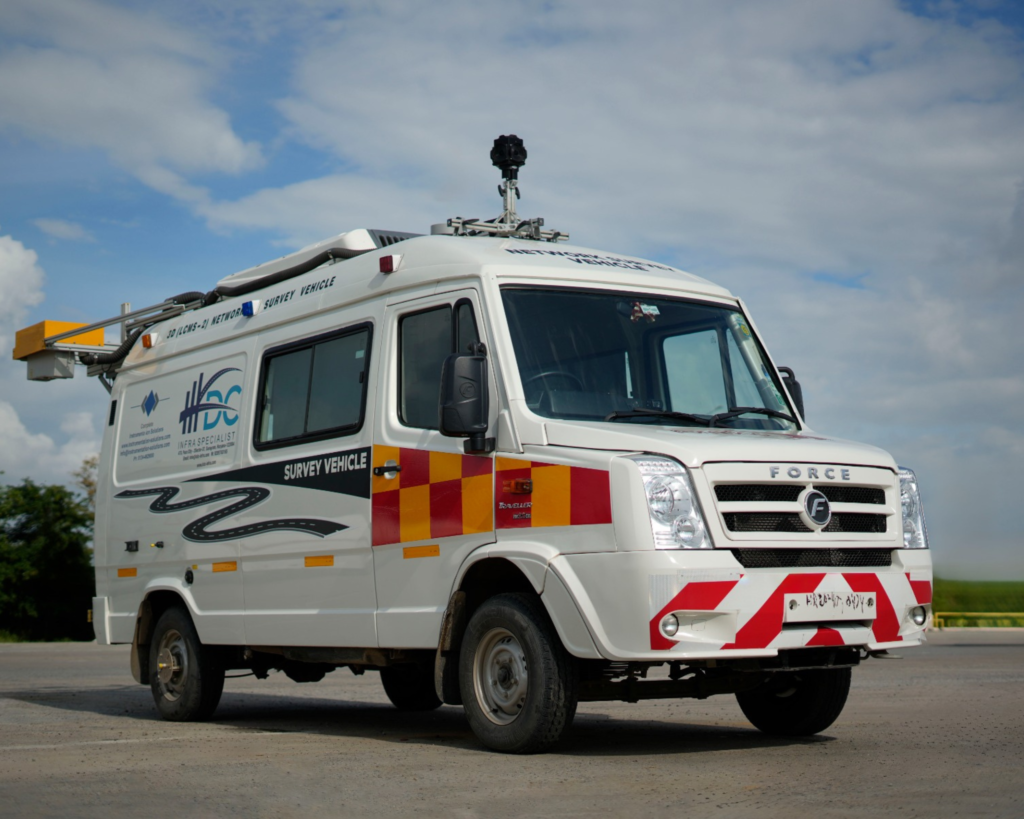
Network Survey Vehicle (NSV) Road Measurement and Data Acquisition System (ROMDAS)
Network Survey Vehicle offered by us is from Data Collection Ltd., New Zealand, developers of ROMDAS system. The system being provided comprises of DCL’s flagship central system- ROMDAS, High Resolution DMI, INS (Inertial Navigation System), high-resolution 360-degree camera with mobile mapping software, Laser Crack Measurement system (LCMS)- the all-in-one 3D profiling module, ROMDAS Dataview- a complete post processing and quality control software etc.
3D NSV is equipped with Laser Crack Measurement System (LCMS) for 3D profiling of the roads- for finding Crack length, width, depth, intensity, percentage, pothole area, average pothole depth, bleeding, ravelling etc. All these defects are superimposed on the high-resolution images of the road and geotagged.
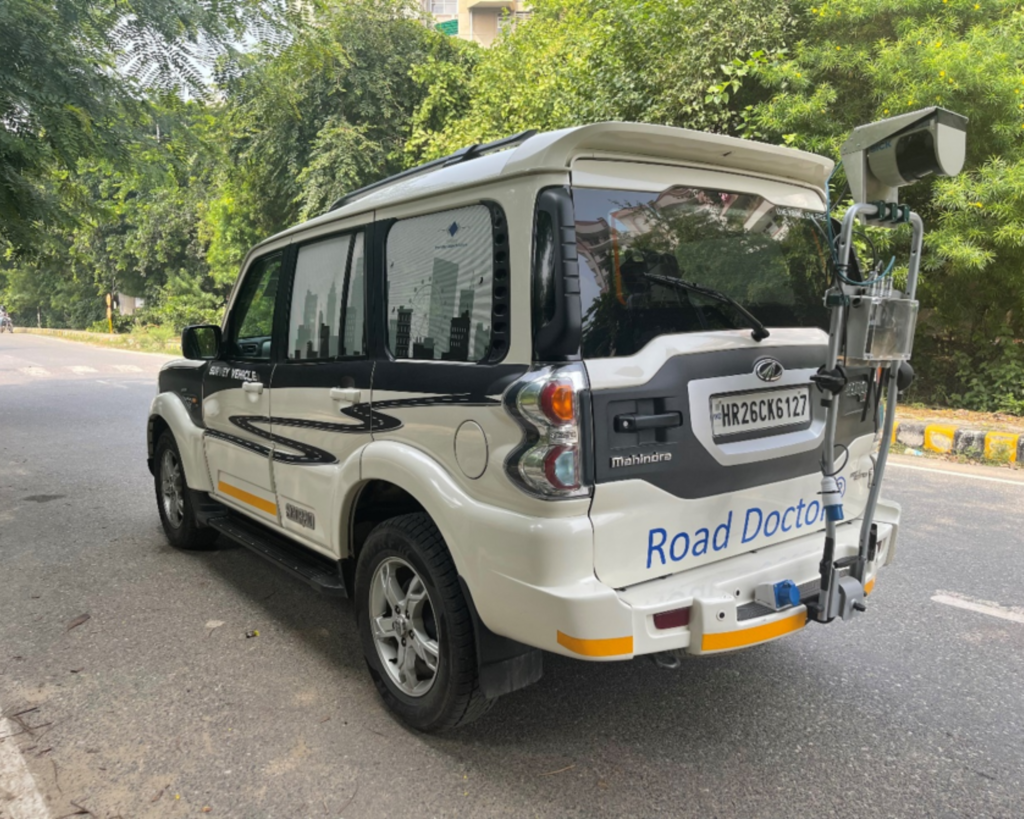
Road Doctor Maintenance Controller (RDMC)
This is a dedicated surface distress monitoring system specially designed for low volume roads like rural road system. It can be used to monitor, “Rutting, Roughness, Potholes and Crossfall” at project or network level. The rela time distress data measurement at traffic speed makes it highly efficient for planning maintenance stratgies at network level. All data is automatically stored in cloud with cordinates. The system can measure even small changes after a rehabilitation or repaving exercise and can highlight potential problems during the guarantee times.
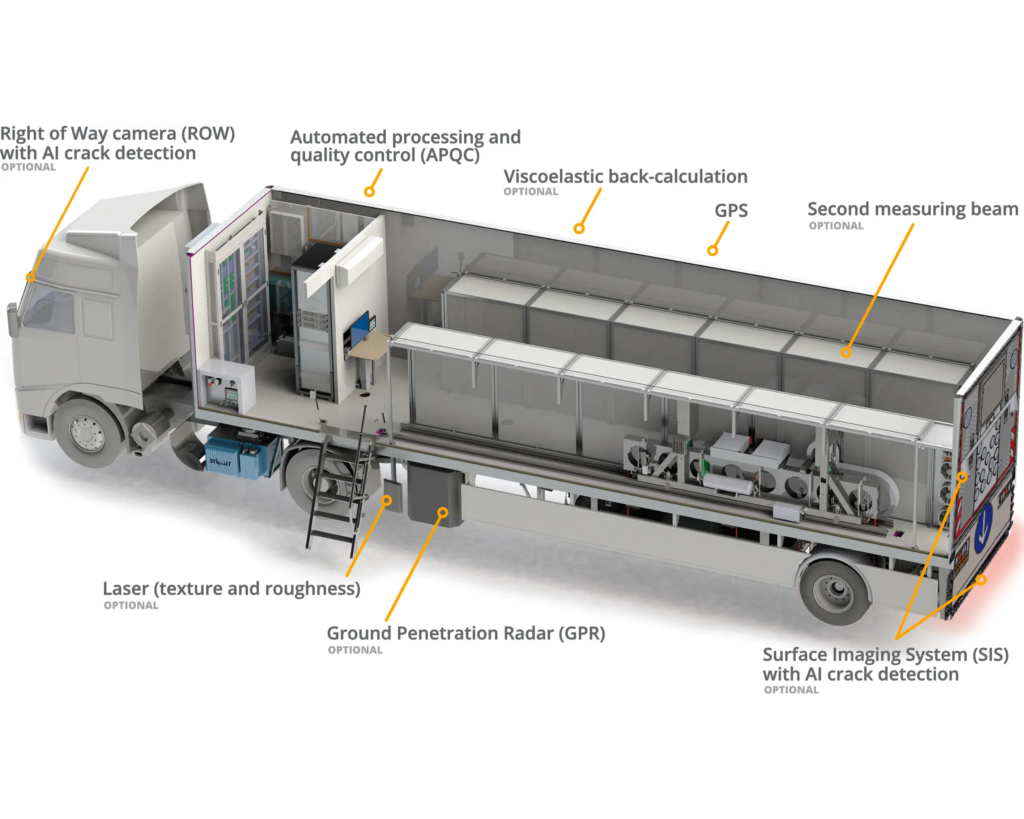
Traffic Speed Deflectometer (TSD)
The Traffic Speed Deflectometer (TSD) is an innovative Rolling Wheel Deflectometer measuring pavement response to applied load. The unique TSD technology has initiated a paradigm shift in pavement engineering worldwide.
The TSD provides continuous bearing capacity results at both project and network levels while following the flow of traffic. This makes it highly cost-effective. The TSD provides repeatable, detailed and accurate data, from which bearing capacity indices can be derived and pavement fatigue / residual life can be estimated. This information is essential to decide how and where to repair.
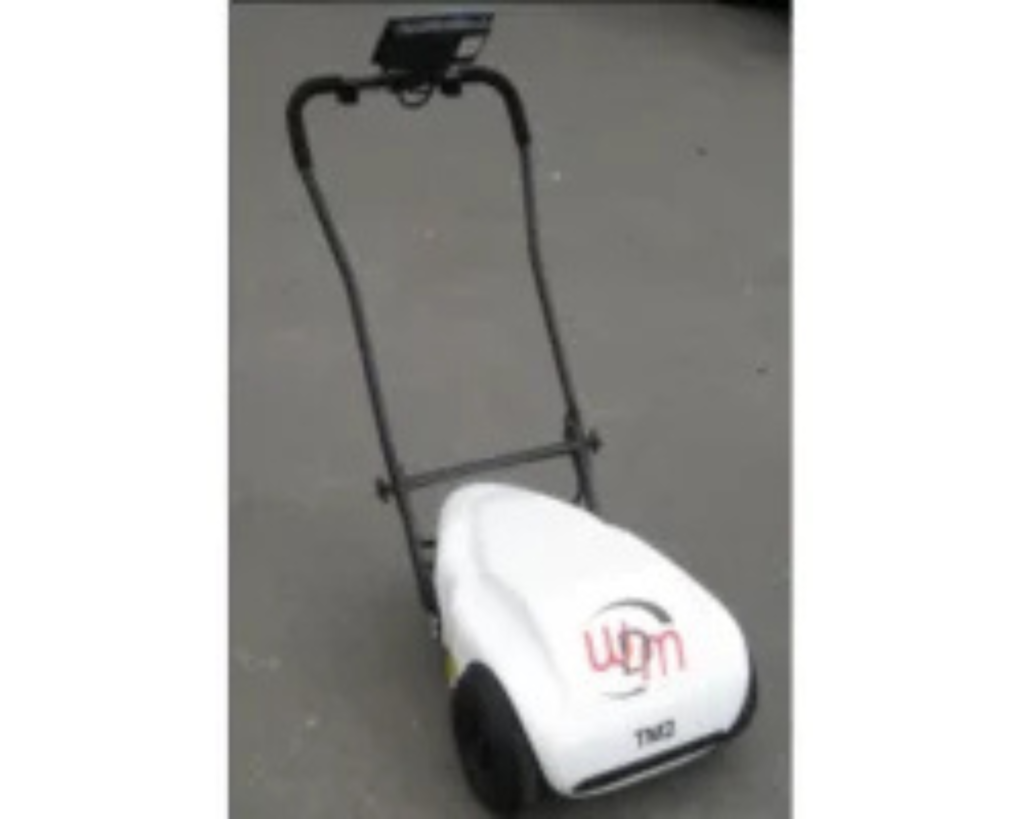
TM2
The TM2 is recognized as delivering the definitive macro texture measurement standard. The updated TM2 measures a broad swath of the road profile transversely over a width of 100mm at very frequent intervals to build a detailed record of the surface, with its average texture depth, and delivers repeatable and consistent results. It is widely recognized that pavement texture is an extremely important factor in the control of surface friction and subsequent road safety. It is also an important parameter for the determination of factors such as noise emission from vehicle tyres. The TM2 calculates and stores Root Mean Square Texture Depth (RMSTD) and Mean Profile Depth (MPD) to provide 10 and 50m averages.
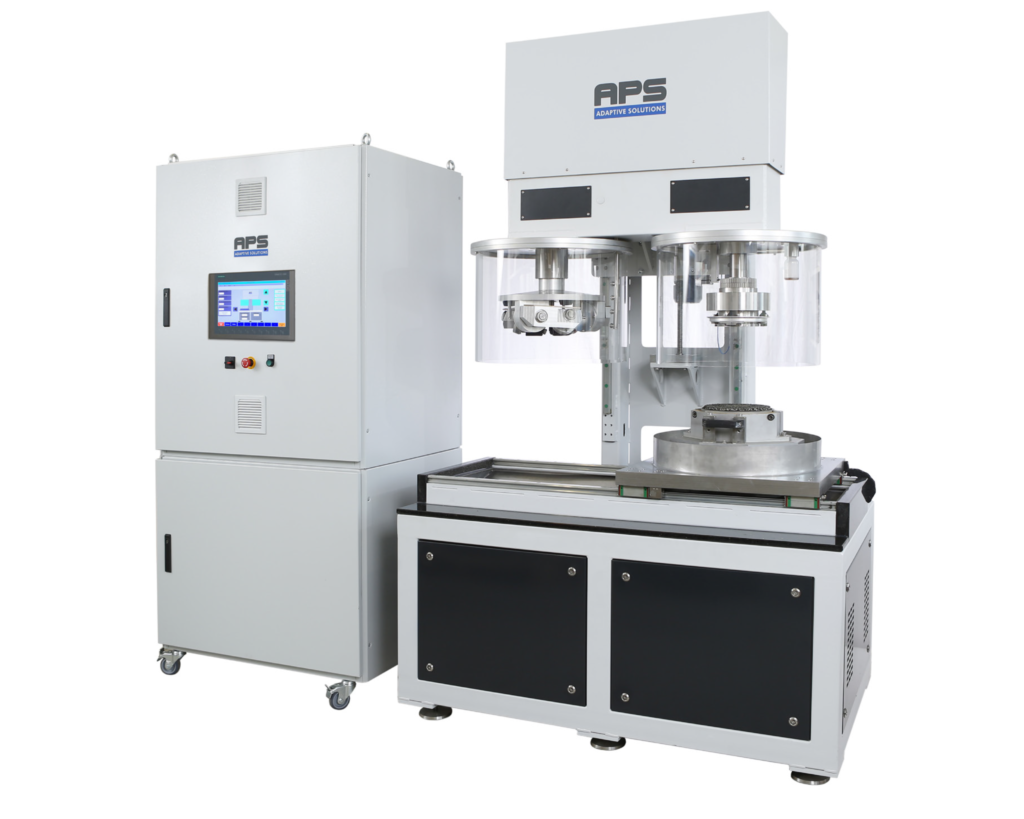
Wehner Schulze Device
This newly developed fully automatic device was manufactured as a laboratory test device for the measurement of friction after polishing of asphalt, concrete and other materials using the Wehner/Schulze method.
With this test method representative samples in different geometries and sizes can be tested in order to simulate the skid resistance behaviour of vehicles on the road surface. The technology for this test method has been further developed over many years in coordination with experienced institutes and adapted to an international industrial standard without changing the previous measuring principle.
In addition, the service functions and handling of the testing machine were optimized. The revised operation is supplemented by a newly developed control system and software with a fully automatic test sequence.
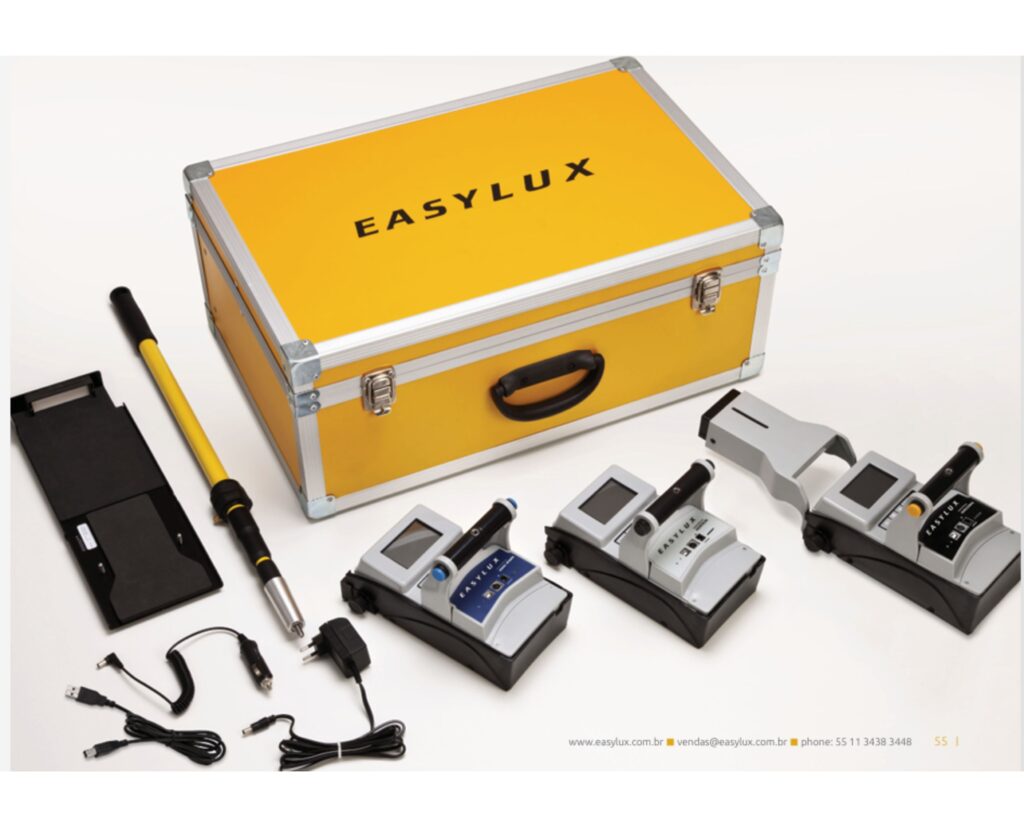
Retro Reflectometer
The MiniReflecto is a versatile retro reflectometer designed for accurate measurement of retroreflection (RA) across materials like road signs and safety clothing. It can measure up to four simultaneous observation angles, with an adjustable entrance angle (β) for precise readings according to international standards.
The HORIZONTAL MiniReflecto specializes in measuring night visibility (RL), day visibility (Qd), and wet conditions visibility of road markings. Its patented optical system and CIE eye sensor ensure accurate measurements for various road marking materials, including profiled markings up to 15 mm, meeting global standards like EN1436 and ASTM.
For road studs, the MiniReflecto Road Studs measures the coefficient of luminous intensity (RI) with dual observation angles of 0.2° (or 0.33°) and 1°. This comprehensive device integrates vertical, horizontal, and road stud retroreflectometers into one advanced tool for all retroreflection needs.
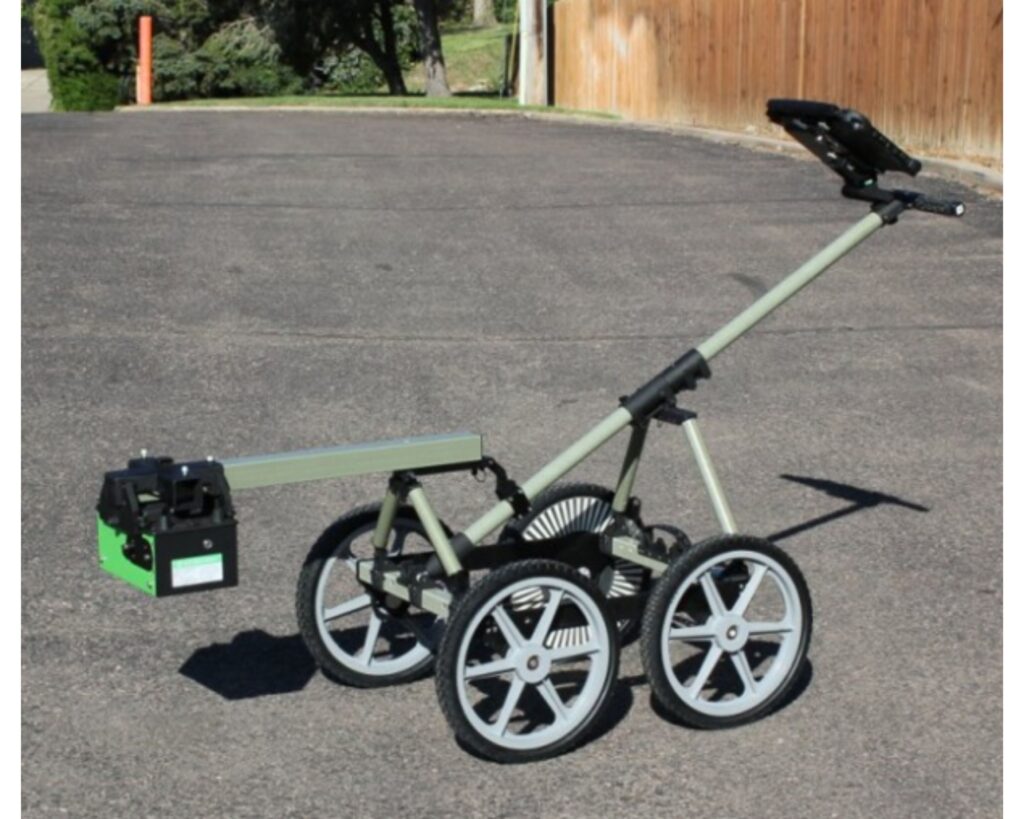
Asphalt Pavement Scanner
The Asphalt Pavement Scanner uses radar and infrared sensors to measure compaction, and density without nuclear sources. Produce maps of compaction, density, temperature, and roughness that indicates quality and uniformity. Use for acceptance and risk reduction.
The Asphalt Pavement Scanner measures the pavement’s dielectric constant using advanced radar technology. Compaction and density are calculated from the dielectric constant using a specific calibration for each asphalt mix (similar to a Rice value calibration). The radar sensor and IR temperature sensor continuously scans the surface to produce dielectric, density, compaction, temperature, and roughness maps. Maps of compaction, temperature, and roughness provide a measure of uniformity that cannot be obtained from spot measurements with traditional density gauges. These maps provide better Q/A and Q/C, and ultimately reduced risk and cost.
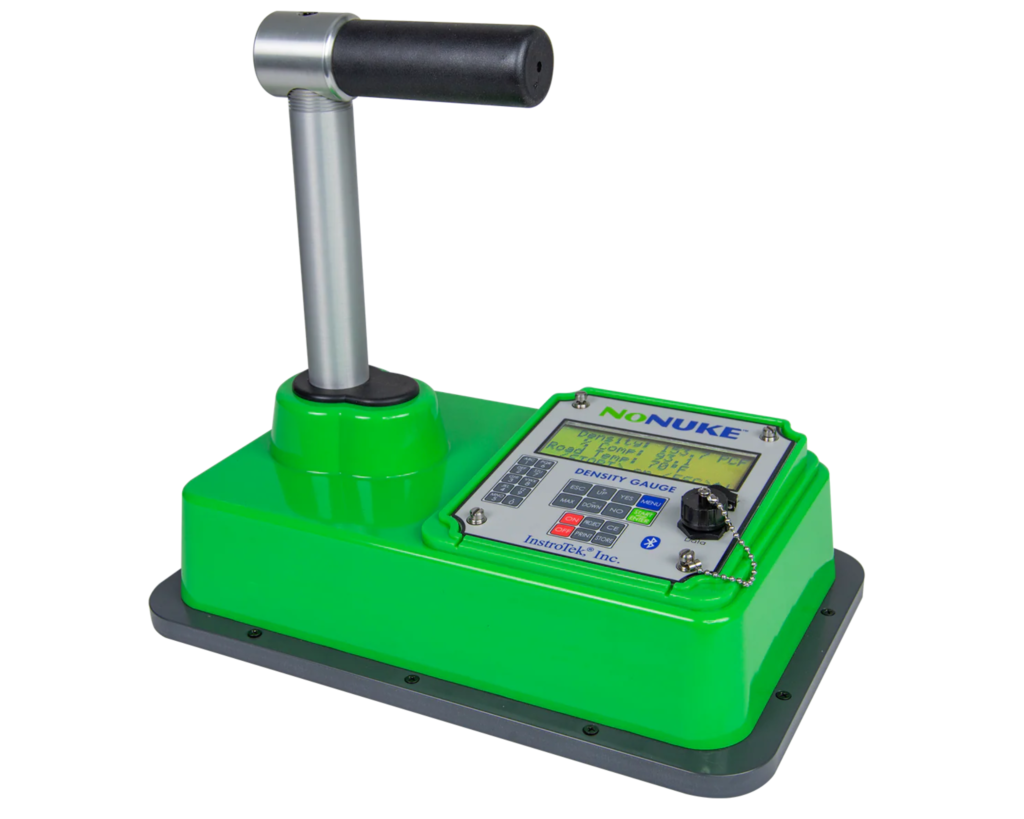
Non-Nuclear Asphalt Density Gauge
The Non-nuclear asphalt density gauge is a highly advanced dielectric asphalt density gauge specifically designed to increase accuracy and dependability. The NoNuke’s unique algorithm automatically alerts the operator of moisture presence that can negatively affect the accuracy and repeatability of test results.
Strategically placed internal and external temperature sensors measure gauge and pavement temperatures to ensure the gauge is within the operating temperature. Moisture presence warning also will alert the operator of high moisture content in the asphalt pavement. These unique and innovative system checks are built into the NoNuke to continually monitor its environment and produce the best and most accurate test results.
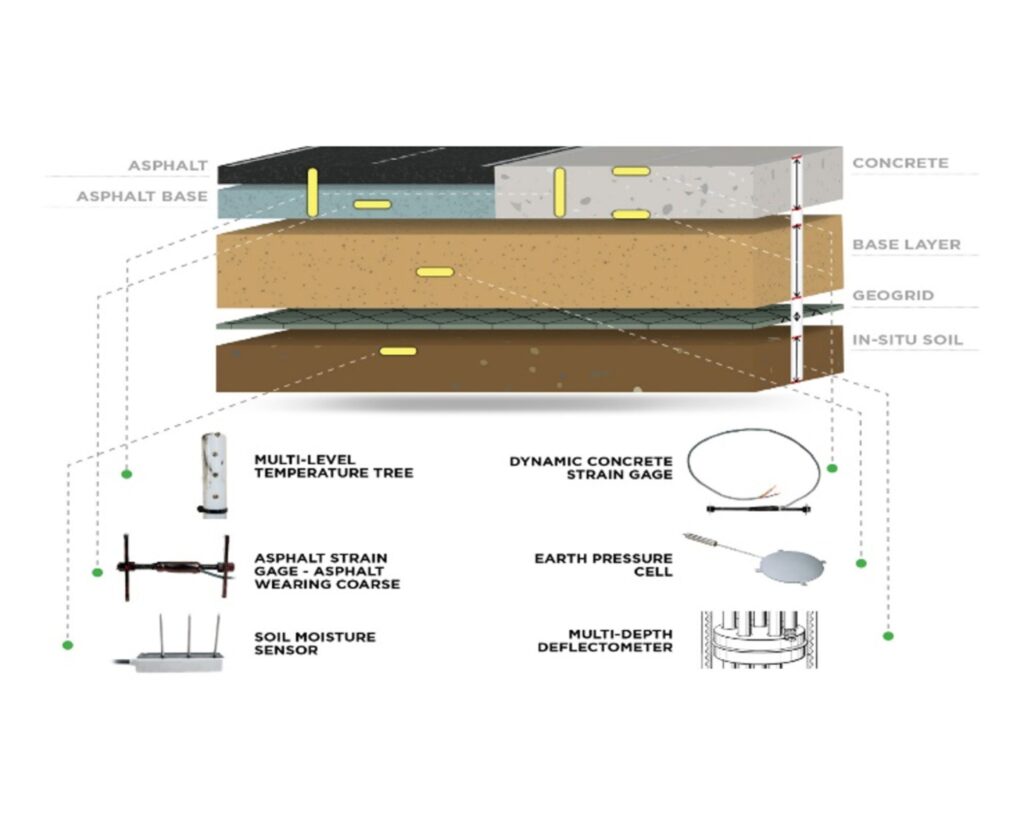
Pavement Instrumentation
The structural responses of a pavement system under actual dynamic loads are of primary concern to design, management, and materials engineers. The planning engineer’s first objective is to style a pavement system that will withstand a specified number of loading cycles. Environmental effects like temperature, which greatly affect the response of flexible pavements, need to be considered also. The pavement management engineer, who is primarily curious about how the performance of the pavement decays with the number of loading cycles, should remember the speed of degradation to implement an efficient maintenance or rehabilitation strategy. The materials engineer, liable for providing a rutting-and-cracking-resistant mix, must evaluate the consequences of heavy loads, high tire pressures, and high and low temperatures on the responses of the asphalt concrete material and supporting layers of soil.
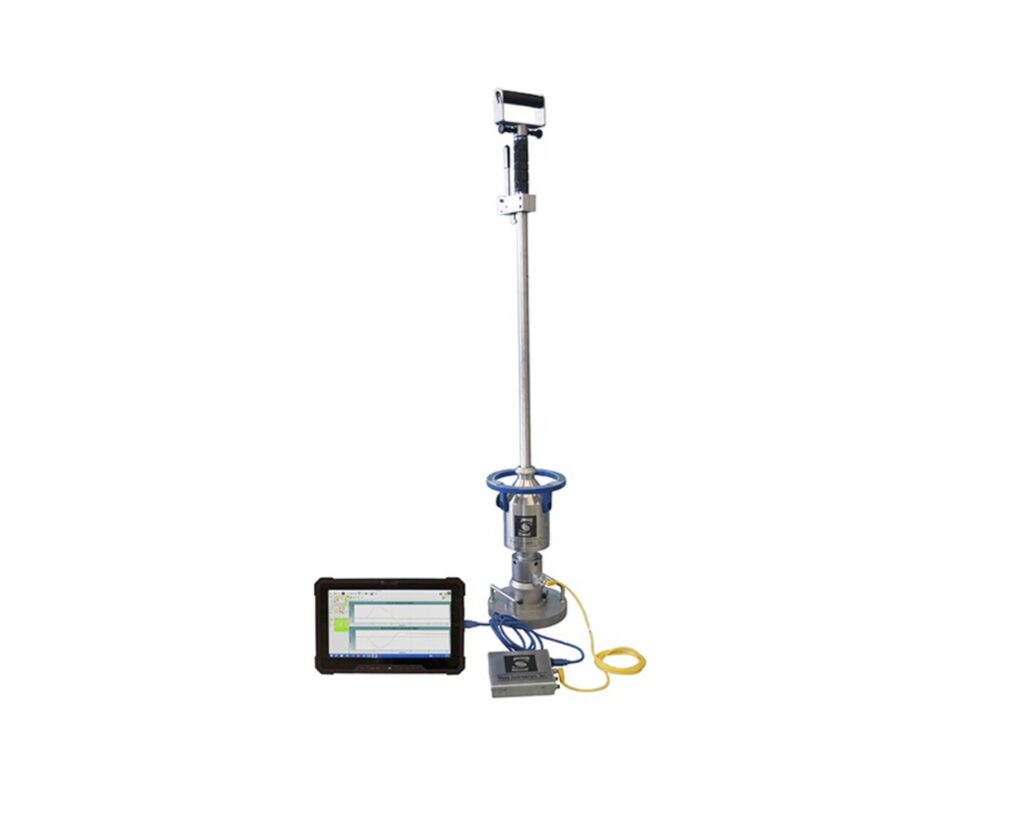
Light Weight Deflectometer
Light Weight Deflectometer (LWD) is designed to measure the in-situ level of compaction of soil materials. The device is intended to be used as a Quality Assurance/Quality Control (QA/QC) device during earthwork construction (e.g. roadway, embankments, trenches, foundations, etc). The device measures the level of compaction by measuring the stiffness and modulus of the soil. Testing is performed directly on the soil layer of interest. However, the device is intended to simulate the loading (loading level and duration) on soil below a pavement from a semi-truck driving at highway speeds. When used for quality control/quality assurance testing, Olson’s LWD-1 system is a powerful, easy to handle and operate tool for verifying compaction level (soil stiffness).
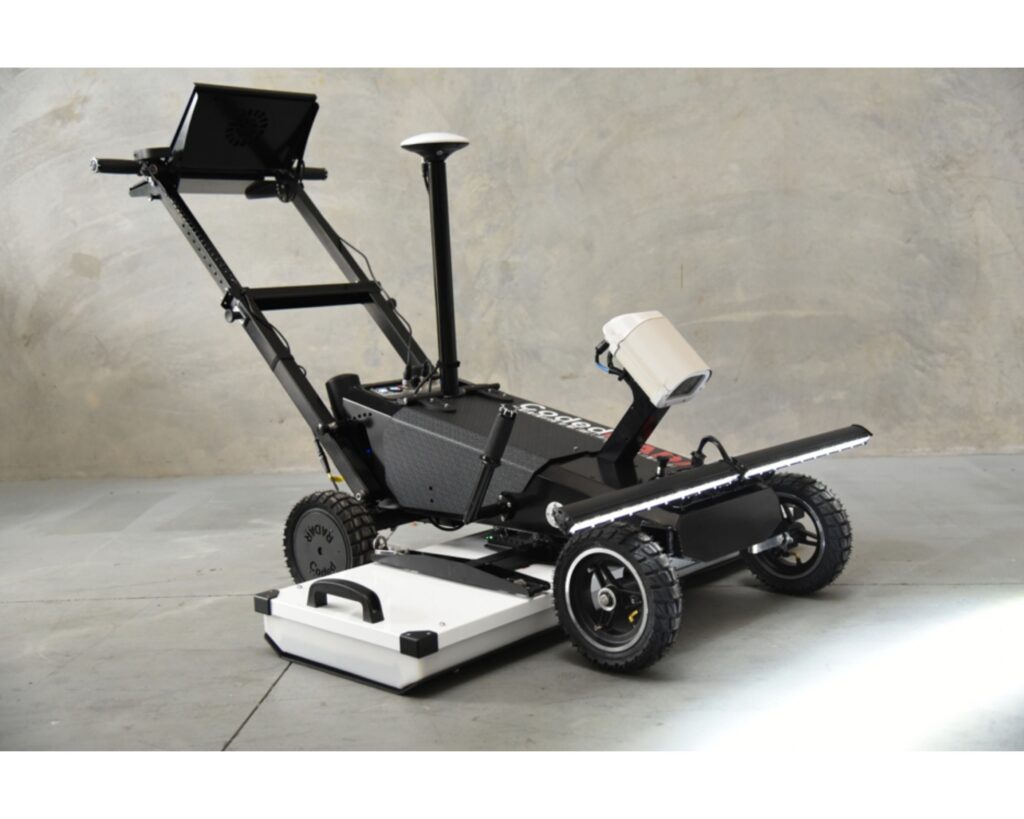
Push-Cart 3D Noise Modulated-GPR
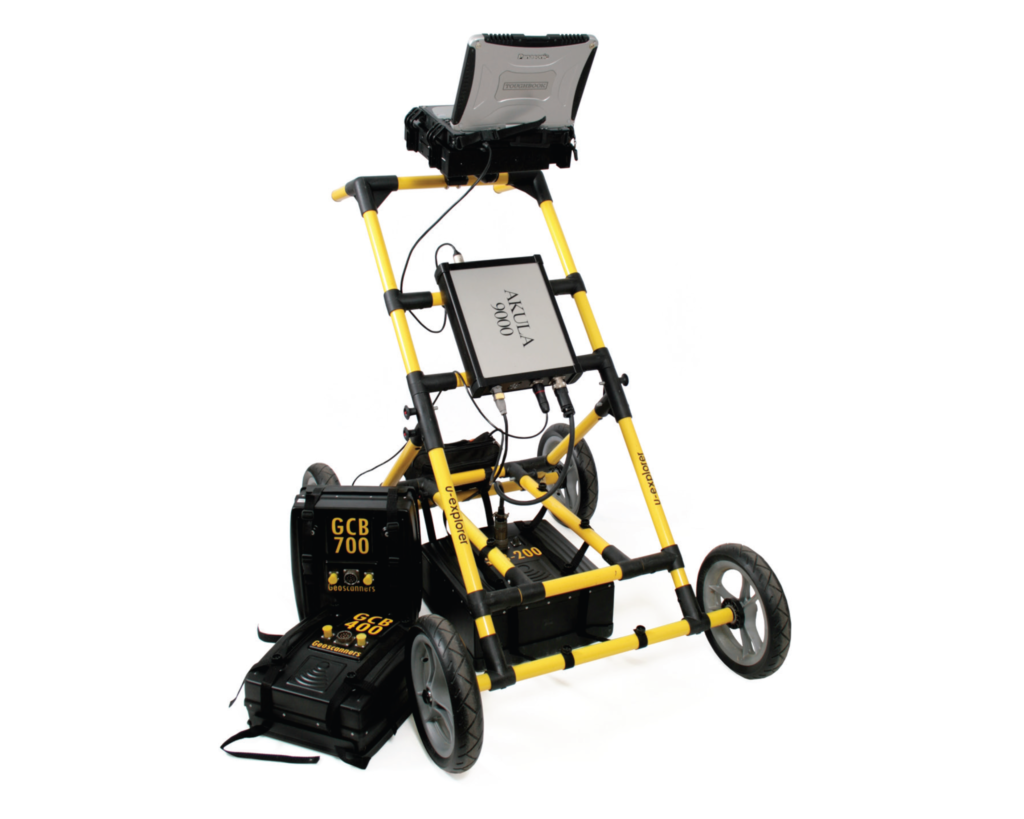
The Lynx is a compact, high-performance push-cart platform designed for high-resolution 3D subsurface and surface imaging in a single walk-behind pass. It utilizes proprietary Noise-Modulated Ground Penetrating Radar (NM-GPR) technology to capture data thousands of times faster than traditional GPR, entirely bypassing the depth and speed compromises of conventional systems. The platform comes equipped with a built-in PC, flexible data positioning options (including RTK-GNSS, robotic total stations, or grid-based scanning), and an optional storable line-scan surface imaging camera with an integrated lighting array. Designed for total field mobility, the system features a fold-away or removable light array to allow for effortless transport across rugged job sites. It functions as a powerful, ultra-precise tool for geotechnical investigations, utility mapping, concrete deck inspections, and localized urban site context surveys where GPS signals may be unreliable.
Ground Penetrating Radar (GPR)
This GPR is an all-in-one complete survey solution for many different types of surveys (utility detection, void location, forensic investigation and many more) focusing on shallow to medium depth investigations. It also comes with powerful and user-friendly software package GPRSoft Standard already installed and ready to use.
The collection software GAS is so intuitive that most customers seldom need to read the manual or even open the help file to find out how to do one operation or the other.
Traffic-Speed 3D Noise Modulated-GPR
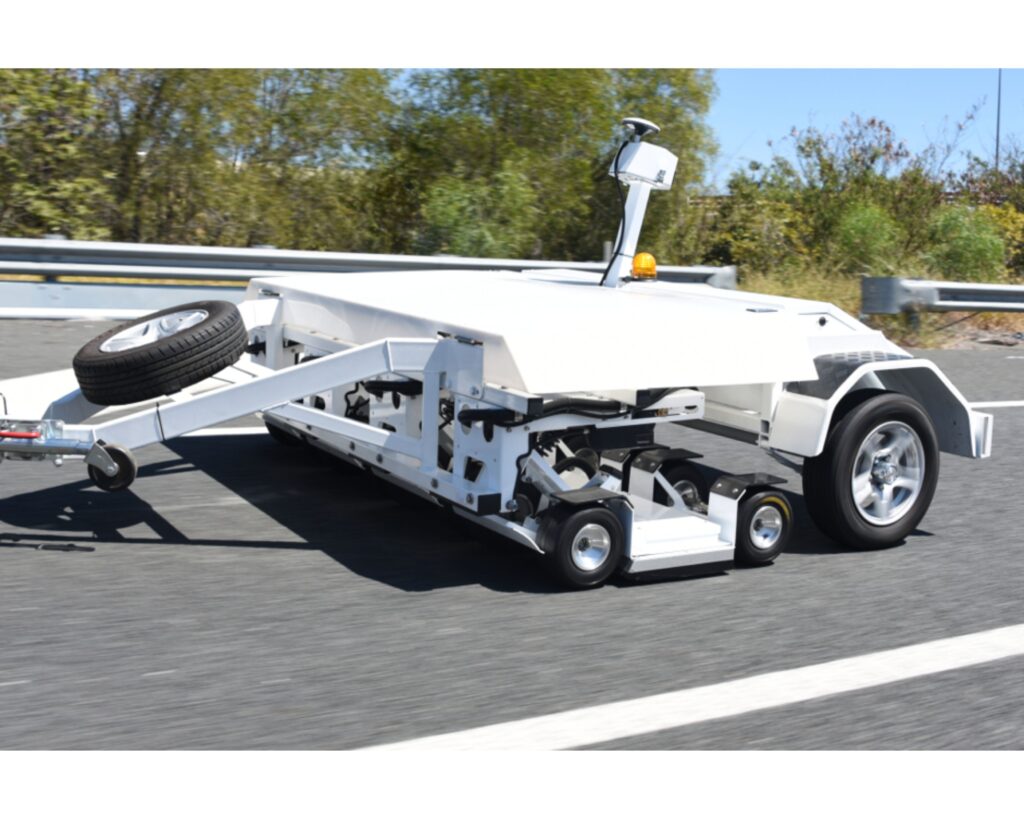
The Kerberos is a vehicle-mounted, heavy-duty utility platform engineered to execute high-density 3D NM-GPR surveys at highway traffic speeds without disrupting public road networks. By employing an array-based design, it rapidly gathers overlapping 2D GPR profiles that are cross-correlated to map extensive subsurface volumes covering roads, bridge decks, and airport runways in their entirety. Simultaneously, it leverages integrated auxiliary sensors—including transverse lasers for rutting, inertial measurement units (IMUs), roughness measurement modules (IRI), and photometric stereo vision—to capture synchronized surface defect data. This high-speed capability ensures maximum field crew safety while capturing fine-grained structural data across the sensitive 960–1610 MHz frequency spectrum. The resulting multi-layered datasets allow infrastructure engineers to definitively match underground void developments directly with corresponding surface failures in a holistic model.
Universal Dynamic Asphalt Testing Device
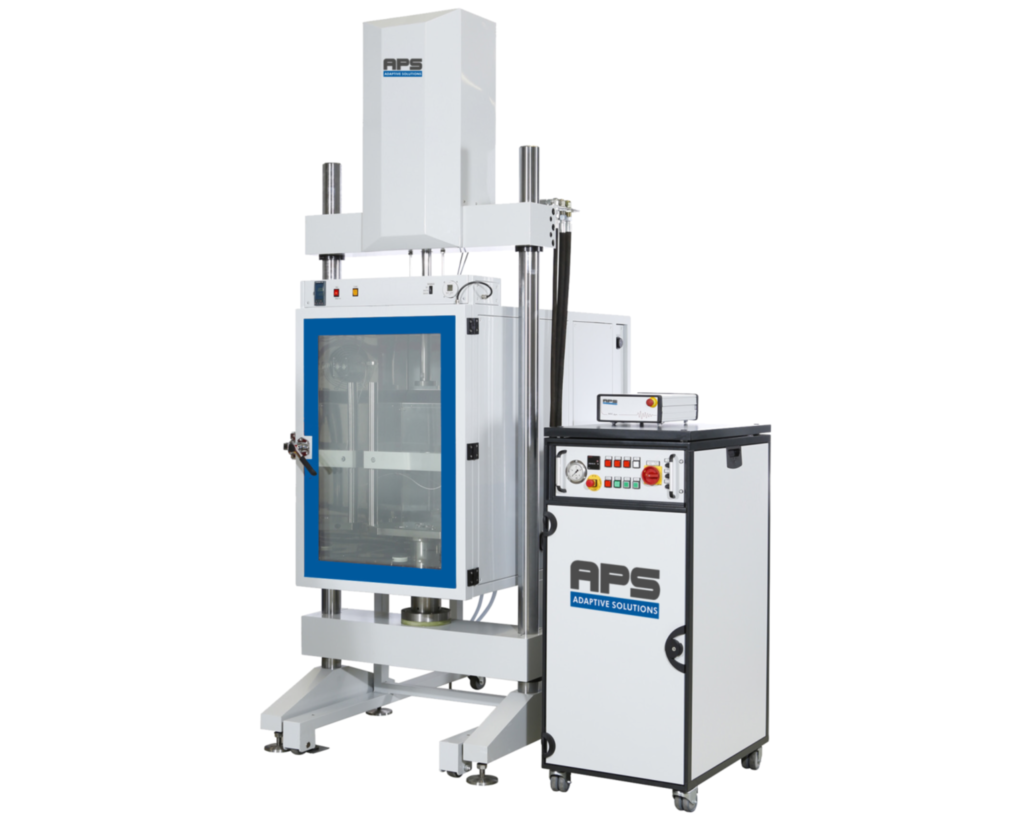
The modular design of our testing systems offers a wide range of testing capabilities. Various configurations of load, strain, and displacement transducers, along with a broad selection of standardized testing jigs, meet all requirements for asphalt and material testing. In addition, numerous specialized solutions are available for advanced scientific research. Dynamic testing system is available in both Electromechanical and Servo hydraulic configuration for testing samples at dynamic axial load of up to 100 kN and frequency of up to 100 Hz.
Low Temperature Crack Resistance Test Device
EN 12697-46 / ASSHTO TP10
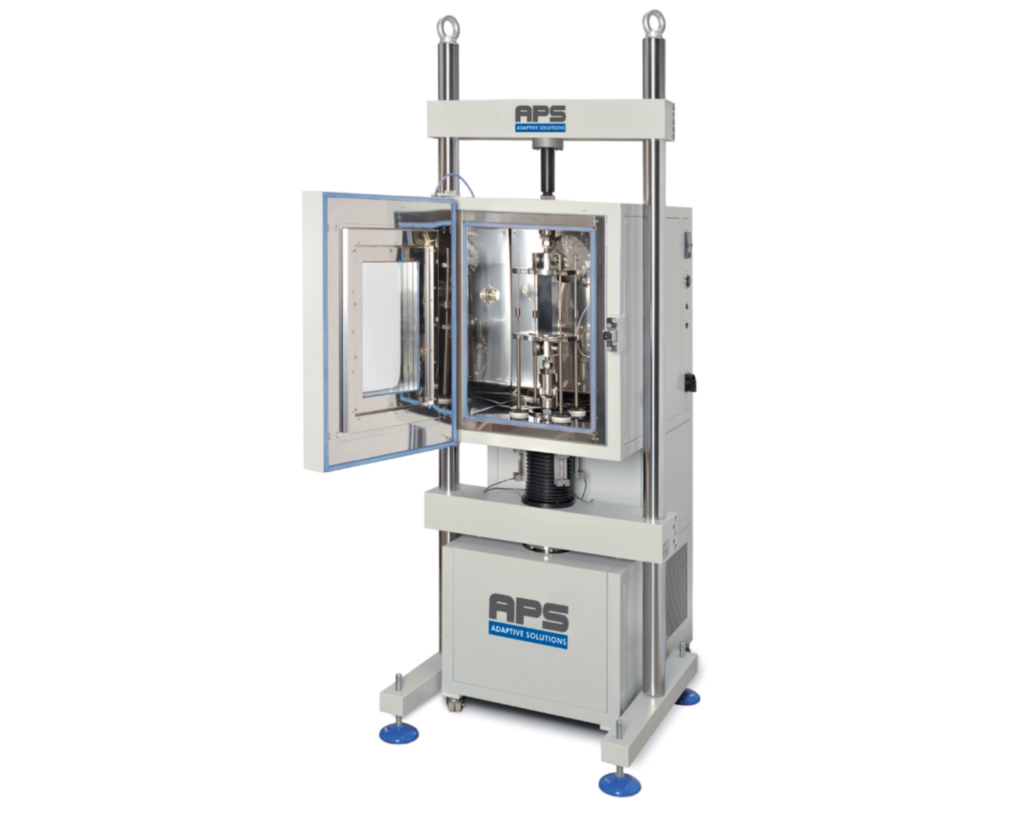
This system has been specially developed to evaluate crack resistance and the performance of asphalt at low temperatures. This test device can be used to measure crack resistance of samples up to a load capacity of 30 kN. The testing machine can be used for the following procedures in accordance with EN 12697-46:
- Uniaxial Tension Test
- Thermal Stress Restrained Specimen Test
- Relaxation Test
- Tensile Creep Test
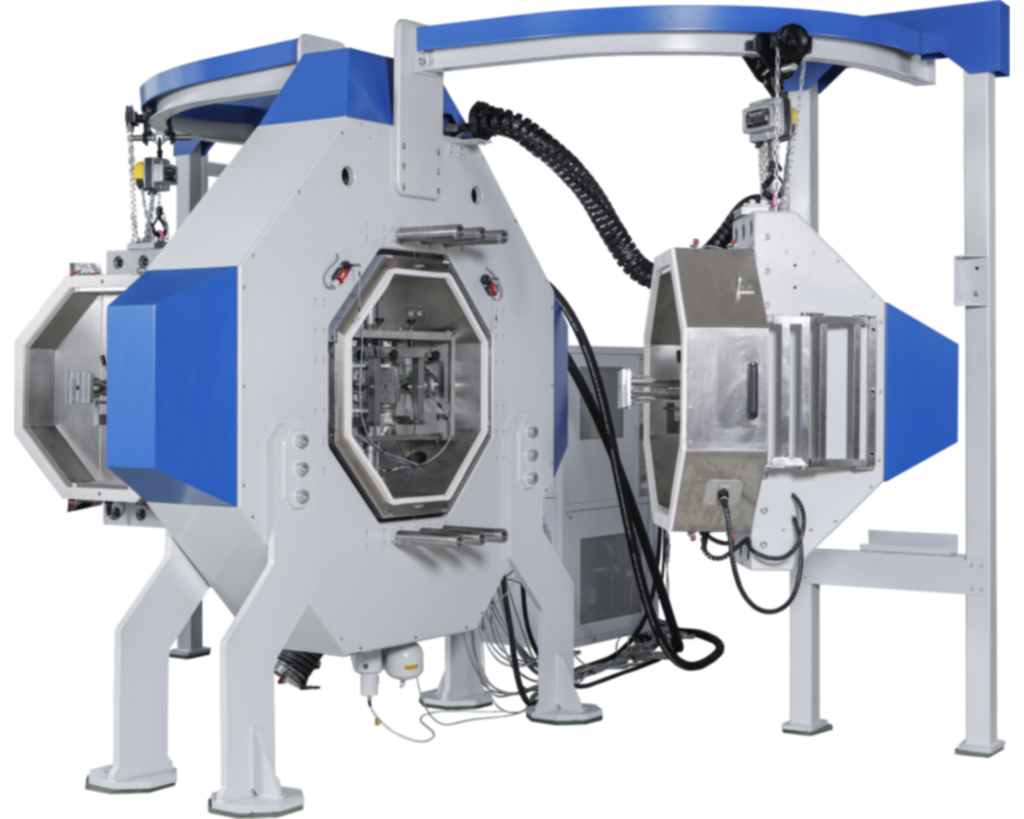
Dynamic Asphalt True Triaxial Testing Device
The Dynamic Asphalt True Triaxial Test is an advanced laboratory method that evaluates asphalt mixtures under cyclic, multi-axial loading to simulate real-world traffic stresses. Unlike standard triaxial tests, it independently controls stresses in all three directions (σ1 ≠ σ2 ≠ σ3), applying cyclic loads (e.g., 0.1–50 Hz) to a cubic specimen, simulating pavement conditions.
This test assesses critical properties like shear strength, rutting, fatigue cracking, and dynamic modulus across various temperatures, offering a realistic understanding of asphalt behaviour under complex stress states.
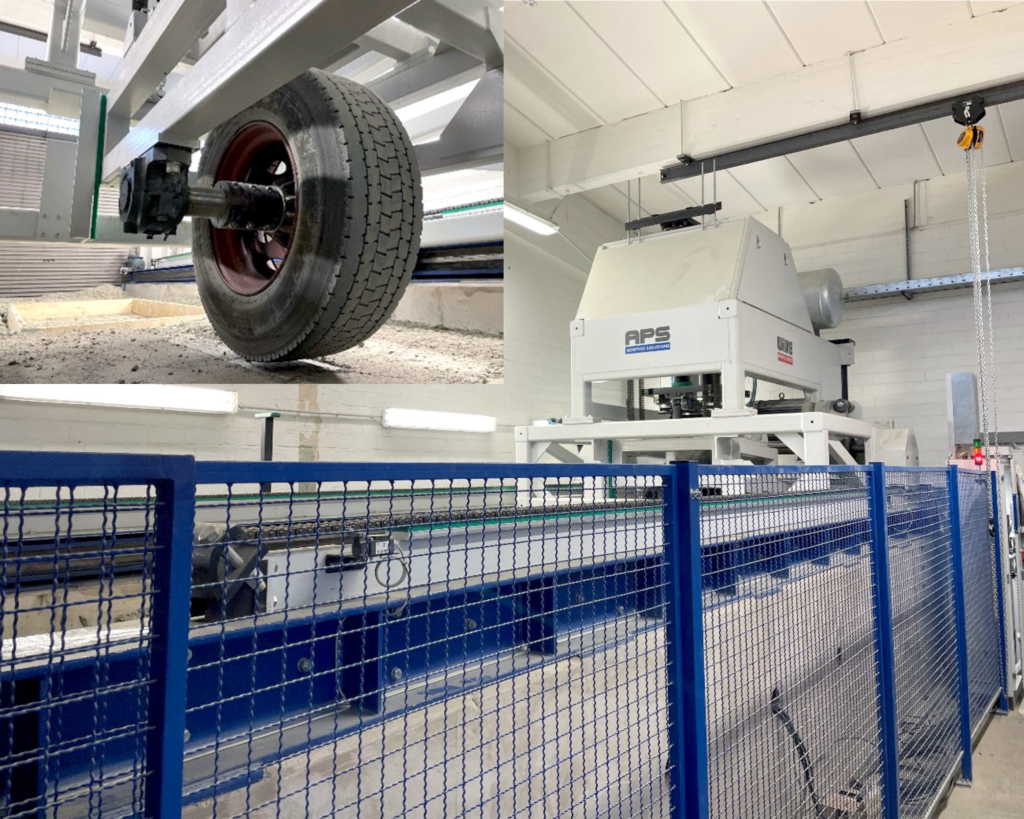
Large Wheel Tracker
This specialized system is designed to assess the performance of unbound road construction layers and base courses under dynamic loading conditions. It allows for a detailed investigation of the effects of repeated loading and rutting behaviour. Developed according to customer-specific requirements, the system is capable of applying very high shear forces, enabling the analysis of rut depths exceeding 200 mm. The speed-controlled and load cycles are designed for a test setup. An automated loading mechanism allows the axial load to be controlled in one driving direction or in both driving directions.