- Your cart is empty Browse Shop
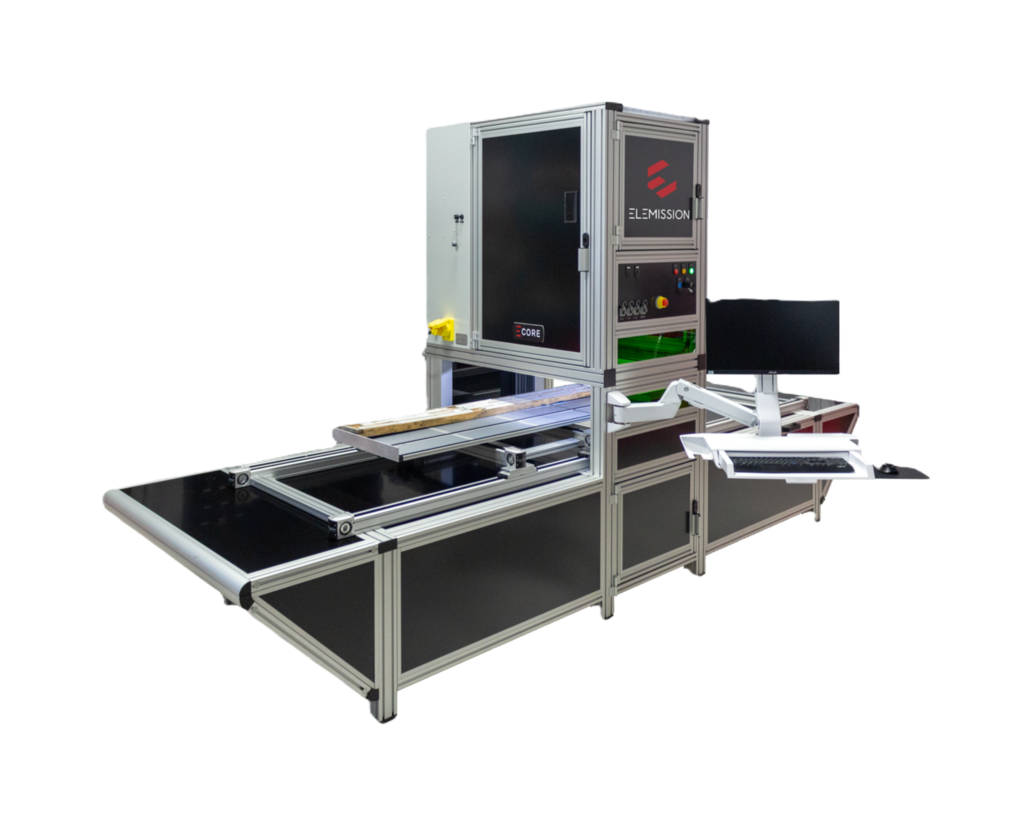
LIBS- Laser Induced Breakdown Spectroscopy
The LIBS is flagship, high-throughput automated laboratory scanner engineered to deliver simultaneous chemical and quantitative mineralogical mappings from raw geological samples. Utilizing advanced LIBS technology coupled with real-time AI processing, it achieves an analysis rate of over 1,300 points per second, which allows it to scan upwards of 1,000 meters of drill core per day. The system requires zero manual sample preparation and yields high-fidelity multi-elemental data covering the entire periodic table, from hydrogen (H) to uranium (U). It accommodates a vast range of whole-core diameters (from AQ to PQ and larger), as well as half-cores and sample rejects. Beyond raw elemental identification, the GEN3 generates comprehensive 3D digital twins of core deposits, incorporating automated mineralogy at spatial resolutions down to 30 microns, alongside integrated physical property profiles like micro-hardness, structural density, and grain-size distribution.
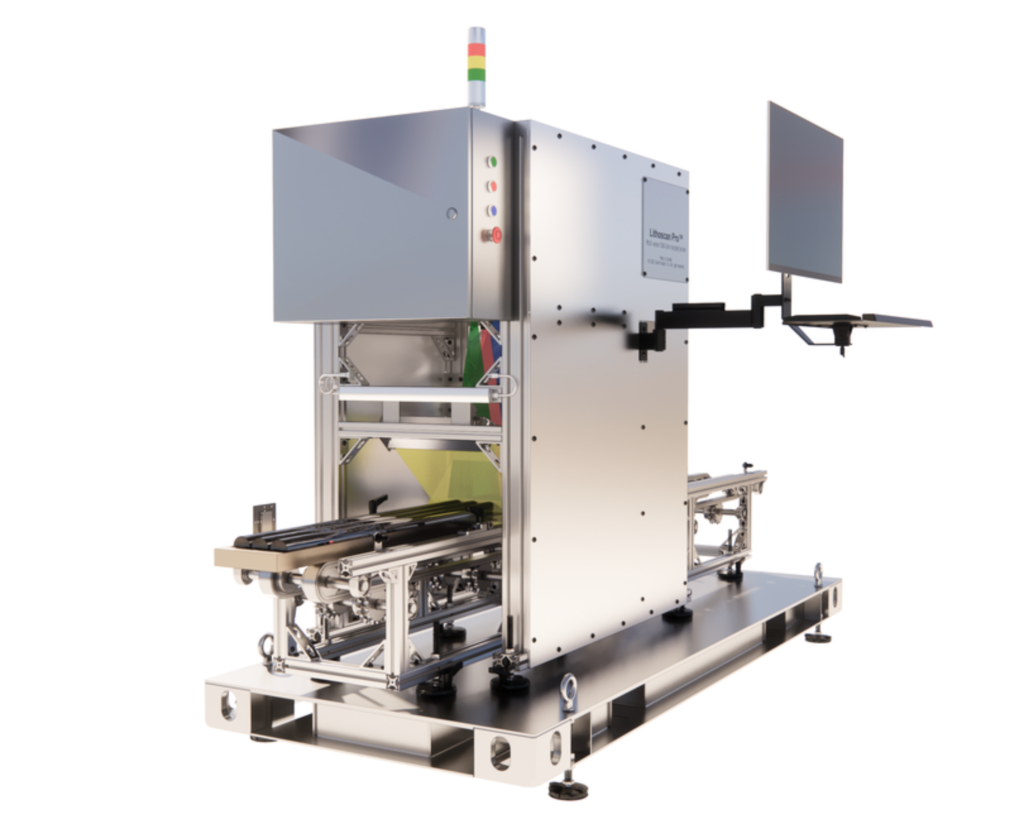
Multi-Sensor Hyperspectral Imaging
This Hyperspectral integrates with artificial intelligence and advanced imaging to modernize mineral exploration. The platform utilizes non-destructive, ultra-high-resolution hyperspectral core imaging to precisely identify subsurface mineral compositions and fractional abundances. By offering an end-to-end workflow—combining proprietary scanning hardware, cloud data management, and machine learning models—the company bridges the gap between raw drilling and geological insight. Their technology features customizable VNIR/SWIR sensors capable of processing up to 1,100 meters of core sample per day without damaging the physical material. This data-driven approach removes traditional logging latencies, allowing exploration teams to accurately map ore-rich zones, improve grading, and de-risk operations early. Ultimately, our mission is to accelerate discovery timelines for critical minerals while minimizing the environmental footprint and subjectivity associated with manual exploration.
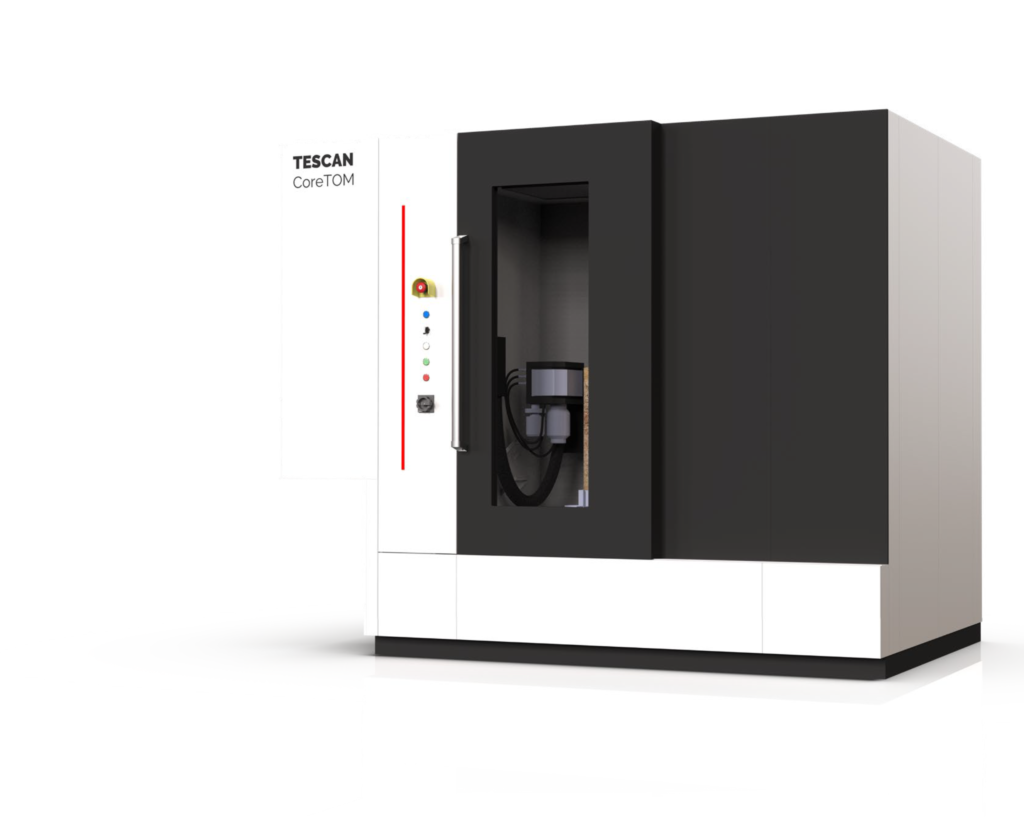
Micro-Computed Tomography (Micro-CT)
CoreTOM is a high-performance, multi-resolution micro-computed tomography (micro-CT) system engineered specifically for advanced non-destructive 3D and 4D geological imaging. Bridging the gap between the broad field of view of medical CT scanners and the sub-micron detail of laboratory microscopes, it can seamlessly scan massive geological samples up to 1 meter in length and 45 kg in weight down to millimeter-scale drill cuttings at an impressive 3-micron spatial resolution. It features a high-powered 180 kV microfocus X-ray source and a massive 2856 × 2856-pixel flat panel detector that combine to achieve rapid multi-scale imaging and dynamic screening under 10 seconds per full rotation. Using integrated Volume of Interest Scanning (VOIS), users can intuitively select and zoom in on internal sub-volumes—such as specific fractures or pore networks—to generate high-resolution details from an initial low-resolution overview. Furthermore, the CoreTOM is uniquely optimized for demanding in situ dynamic flow experiments, utilizing a specialized internal slip-ring integration kit, 9 motorized axes on a high-precision granite base, and an expansion interface panel to easily control peripheral sensors, fluid flow cells, and triaxial core holders while scanning continuously.